Lorem ipsum dolor sit amet, consectetur adipiscing elit. Ut elit tellus, luctus nec ullamcorper mattis, pulvinar dapibus leo.
Used in 1835 by Texian leaders Stephen F. Austin, William H. Wharton, and Branch T. Archer, this flag represented early resistance during the opening phase of the Texas Revolution.
Carried by Texian volunteers in 1835, this flag symbolized defiance and the willingness to fight following the first clashes of the Texas Revolution.
Used in 1835, this flag referenced the Mexican Constitution of 1824 and represented the Texian demand for a return to federal governance under Mexico.
First flown at the Battle of Gonzales in October 1835, this flag marked the opening conflict of the Texas Revolution.
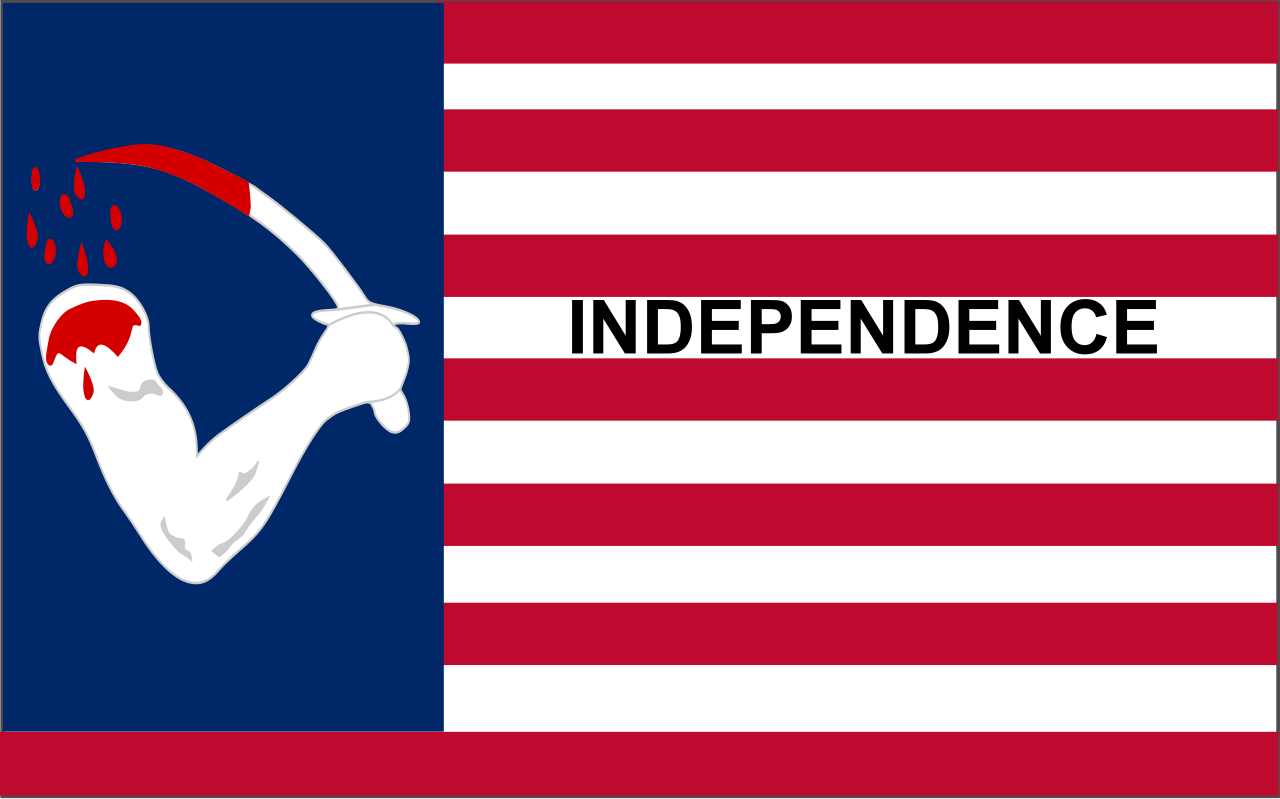
Carried by Captain Moseley Baker’s company under Philip Dimmitt in 1835, this variation of the “Bloody Arm” flag reinforced the Texian call to resistance.

Believed to have been created in late 1835, this early Lone Star design became one of the first visual symbols of Texas independence.
Brought to Texas in 1835 by volunteers from Louisiana, this flag reflected American support for the Texian cause.
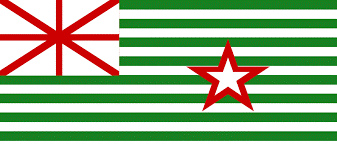
Used by Texian forces in 1835, this flag featured patriotic imagery tied to liberty and resistance against centralized authority.
Flown during the Battle of the Alamo in 1836, this flag is associated with Texian resistance during one of the most pivotal events of the revolution.
Widely used in 1836, the single white star on a blue field became a symbol of independence across multiple movements, including Texas.
Adopted in 1836 as the first national flag of the Republic of Texas, it featured a simple design with a single star representing independence.
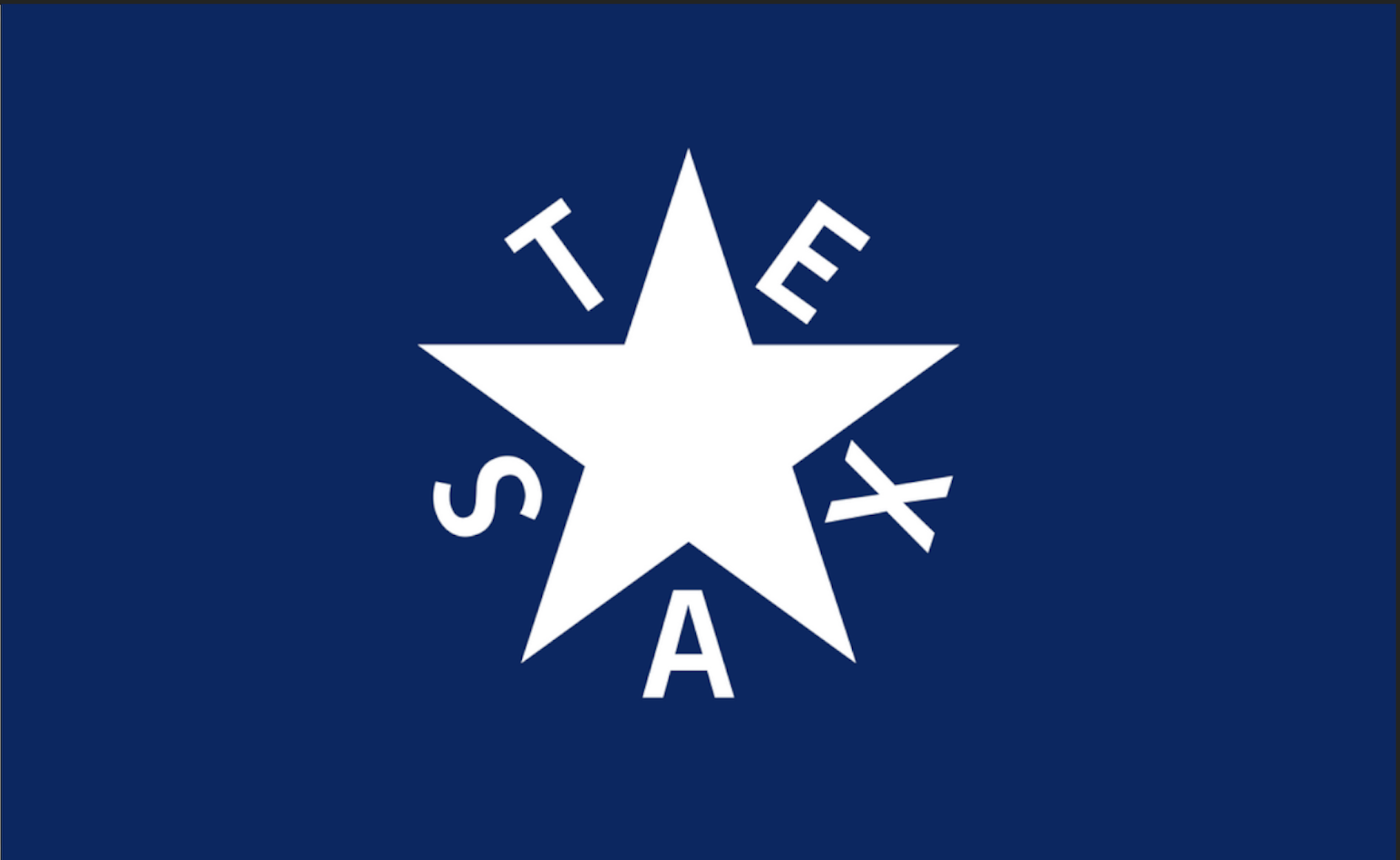
Attributed to Lorenzo de Zavala in 1836, this early design incorporated elements of republican symbolism and Texas identity.
Associated with Gail Borden in 1836, this proposed design reflected the political ideas and symbolism of the newly declared Republic of Texas.
Used by the Texas Navy beginning in 1836, this flag identified Texian naval forces during the Republic period.
Carried by Georgia volunteers in 1836, this flag represented organized support from U.S. states for the Texas Revolution.
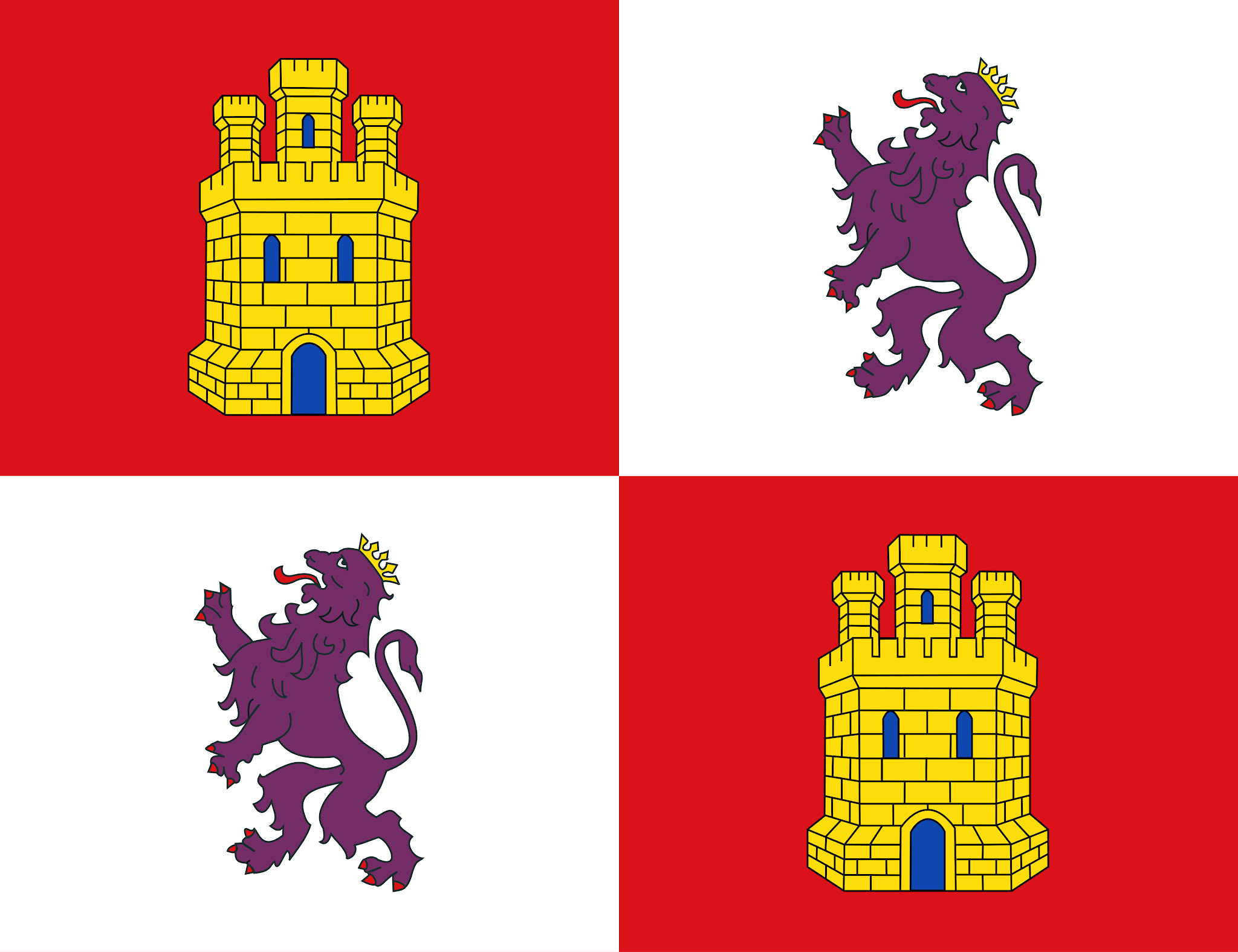
Used from the 1500s through the late 1700s, this flag represented Spanish military authority across New Spain, including Texas
Adopted in 1785, this flag became Spain’s national banner and flew over Texas during the late Spanish colonial period.
Used during French claims in Texas in the late 1600s, this flag symbolized the presence of French exploration and short-lived settlements.
Used during Mexico’s independence from Spain in 1821, this flag represented religion, independence, and unity.
Adopted in 1839, this flag became the official symbol of the Republic of Texas and later the state of Texas after joining the United States in 1845.
The first national flag of the Confederacy, used during the early years of the American Civil War.
Used by Spain during the colonial period, this flag represented Spanish authority across New Spain, including early Texas and parts of North America.
This red cross on a white field symbolized English authority in early North American colonies prior to independence.
The Union Jack represented British rule over the American colonies before the Revolutionary War.
Used on British colonial ships and outposts, this flag combined the Union Jack with a red field to represent British maritime authority.
Associated with colonial resistance to British rule, this striped flag became a symbol of protest during the lead-up to the American Revolution.
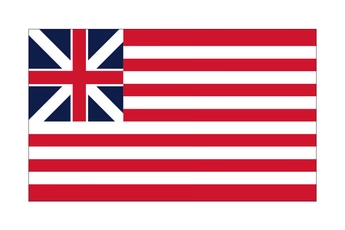
Considered the first national flag of the United Colonies, it combined British elements with colonial symbolism during the early stages of the war.
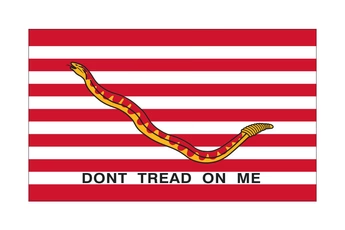
Used by naval vessels under George Washington’s command, this flag identified early American naval resistance.
Carried by militia forces from Vermont, this flag is associated with early victories against British forces.
Featuring the phrase “An Appeal to Heaven,” this flag symbolized colonial resistance and was used by early American naval forces.
Used by the Continental Navy, this striped flag reinforced unity among the colonies during the war.
Raised during the defense of Charleston, this flag became an early symbol of American resilience.

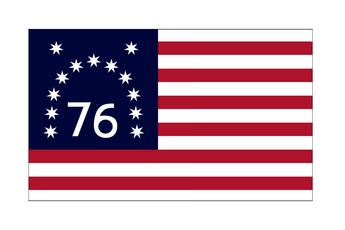
Associated with the Battle of Bunker Hill, this flag represents one of the first major conflicts of the Revolutionary War.
Used by Rhode Island troops, this flag symbolized state-level contributions to the Revolutionary War effort.
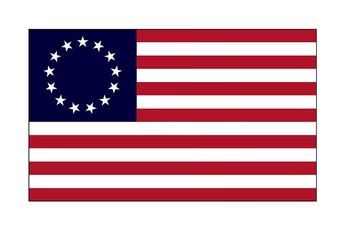
Traditionally associated with the first official U.S. flag, this design featured thirteen stars representing the original colonies.
Linked to the Battle of Bennington, this variation of the early U.S. flag reflects regional militia use.

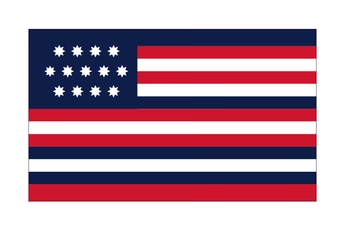
Flown by naval forces under John Paul Jones, this flag represented early American presence on the international stage.

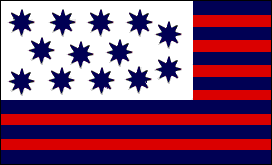
Linked to the Battle of Guilford Courthouse, this flag represents continued resistance in the later stages of the war.
Flown during the War of 1812, this flag inspired the U.S. national anthem after the defense of Fort McHenry.
Used during the Battle of Lake Erie, this flag bore the phrase “Don’t Give Up the Ship,” symbolizing naval determination.
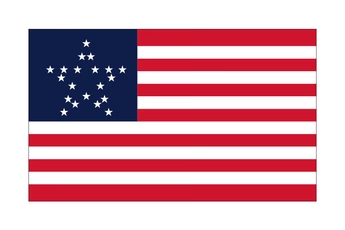
This design arranged stars into a larger star pattern, reflecting early experimentation with U.S. flag layouts.
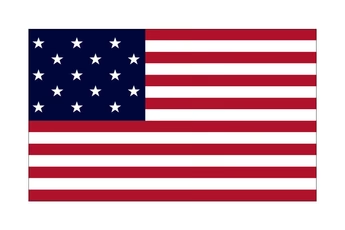
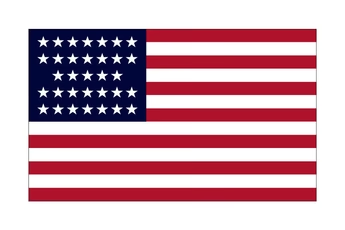
This version reflects the addition of individual states to the Union, marking the expansion of the United States over time.
Lorem ipsum dolor sit amet, consectetur adipiscing elit. Ut elit tellus, luctus nec ullamcorper mattis, pulvinar dapibus leo.