Below you can explore American history through a living timeline of historically accurate flags that reveal the people, battles, revolutions, and defining moments that shaped the United States. From the American Revolution and the birth of the nation to westward expansion, statehood growth, and modern America, each flag represents a unique chapter in the American story.
Click on any flag below to discover its fascinating history, learn about its significance, and explore the opportunity to own a piece of American history.
The flags displayed and distributed through this program are based on historical research and availability. Specific flag designs, materials, and presentation formats may vary. The sequence and timing of flag releases are subject to change as the program develops and expands.
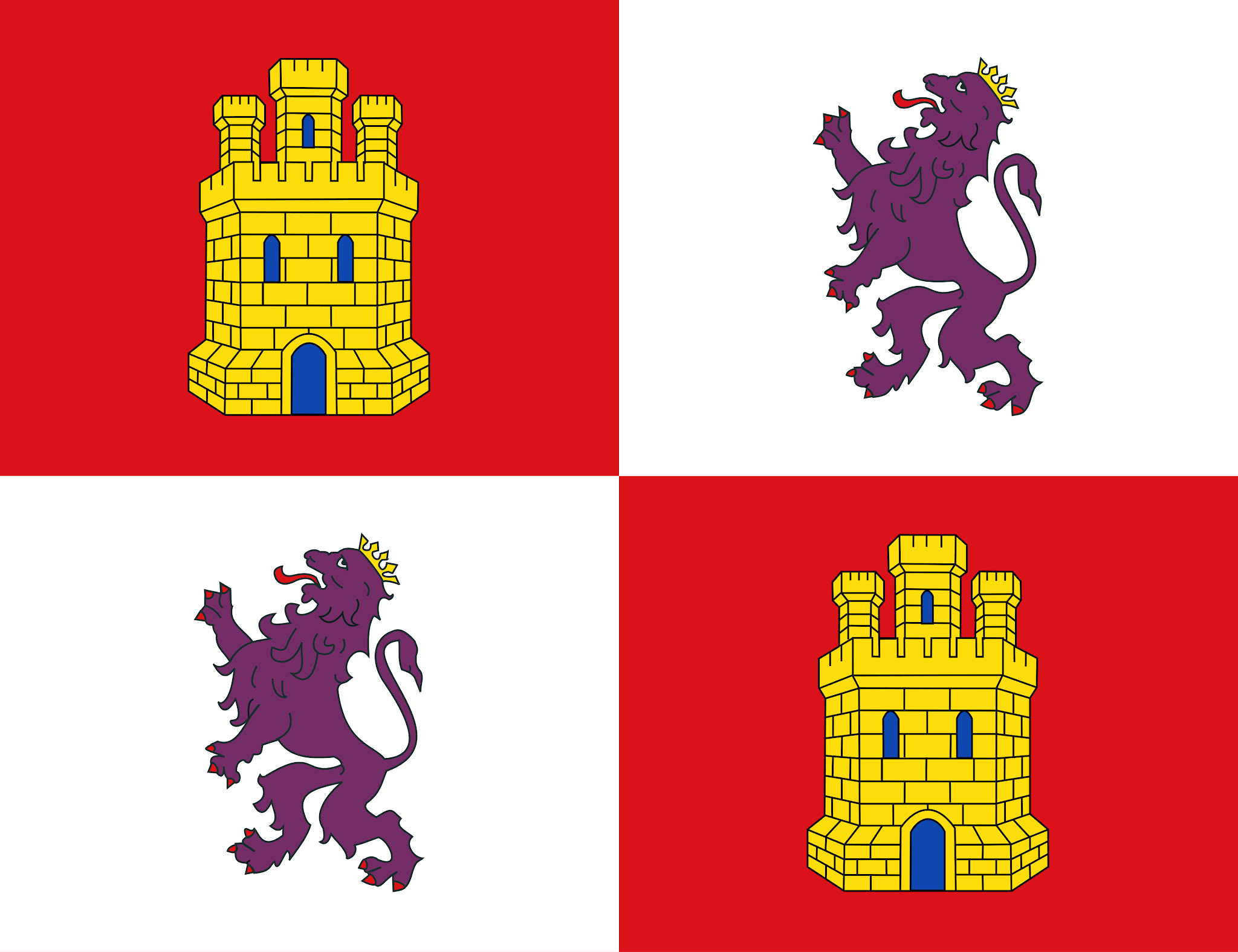
Used by Spain during the colonial period, this flag represented Spanish authority across New Spain, including early Texas and parts of North America.
This red cross on a white field symbolized English authority in early North American colonies prior to independence.
The Union Jack represented British rule over the American colonies before the Revolutionary War.
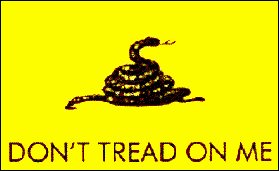
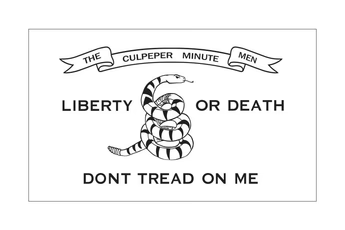
Associated with colonial resistance to British rule, this striped flag became a symbol of protest during the lead-up to the American Revolution.
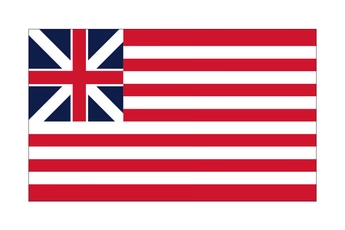
Considered the first national flag of the United Colonies, it combined British elements with colonial symbolism during the early stages of the war.
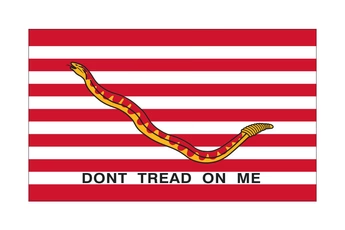
Used by naval vessels under George Washington’s command, this flag identified early American naval resistance.
Carried by militia forces from Vermont, this flag is associated with early victories against British forces.
Featuring the phrase “An Appeal to Heaven,” this flag symbolized colonial resistance and was used by early American naval forces.
Raised during the defense of Charleston, this flag became an early symbol of American resilience.
Associated with the Battle of Bunker Hill, this flag represents one of the first major conflicts of the Revolutionary War.
Used by Rhode Island troops, this flag symbolized state-level contributions to the Revolutionary War effort.
Used by the Continental Navy, this striped flag reinforced unity among the colonies during the war.
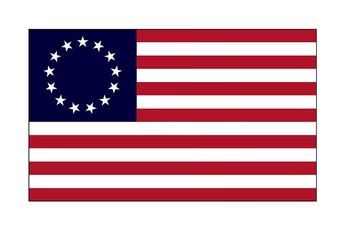
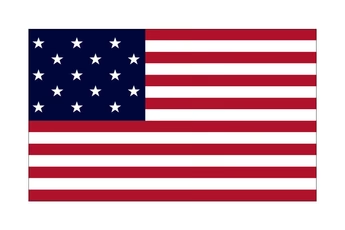
Traditionally associated with the first official U.S. flag, this design featured thirteen stars representing the original colonies.
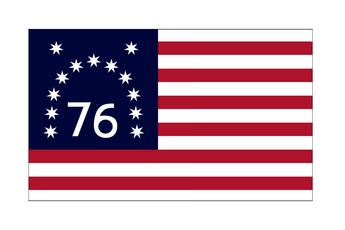
Linked to the Battle of Bennington, this variation of the early U.S. flag reflects regional militia use.
Flown by naval forces under John Paul Jones, this flag represented early American presence on the international stage.
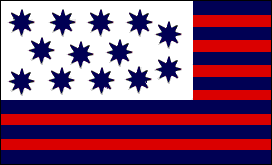
Linked to the Battle of Guilford Courthouse, this flag represents continued resistance in the later stages of the war.
Flown during the War of 1812, this flag inspired the U.S. national anthem after the defense of Fort McHenry.
Used during the Battle of Lake Erie, this flag bore the phrase “Don’t Give Up the Ship,” symbolizing naval determination.
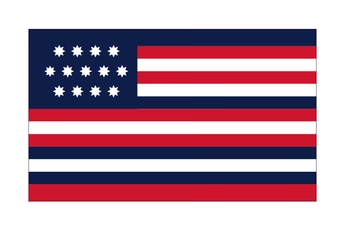
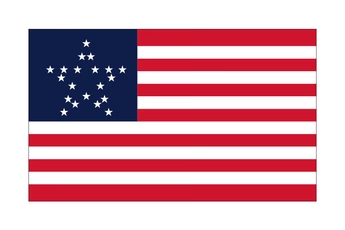
This design arranged stars into a larger star pattern, reflecting early experimentation with U.S. flag layouts.
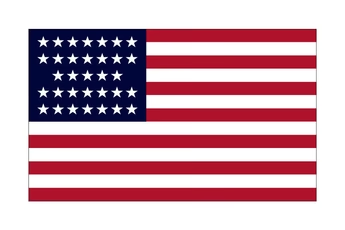
This version reflects the addition of individual states to the Union, marking the expansion of the United States over time.
Used on British colonial ships and outposts, this flag combined the Union Jack with a red field to represent British maritime authority.
Officially adopted on July 4, 1960, following Hawaii’s statehood, the 50-star American flag symbolizes the unity of all 50 states and remains the longest-serving design in our nation’s history.